Botball Explorer | KISS Institute for Practical Robotics

Autonomous Robotics for Grades K–12

Build It. Program It. Complete the Mission.

Botball Explorer is a hands-on robotics program where students design, build, and program autonomous robots to complete interactive missions—without drivers or remote controls.

With two age-based divisions, flexible robot options, educator resources, and a complete classroom-ready kit, Botball Explorer welcomes new and experienced teams.

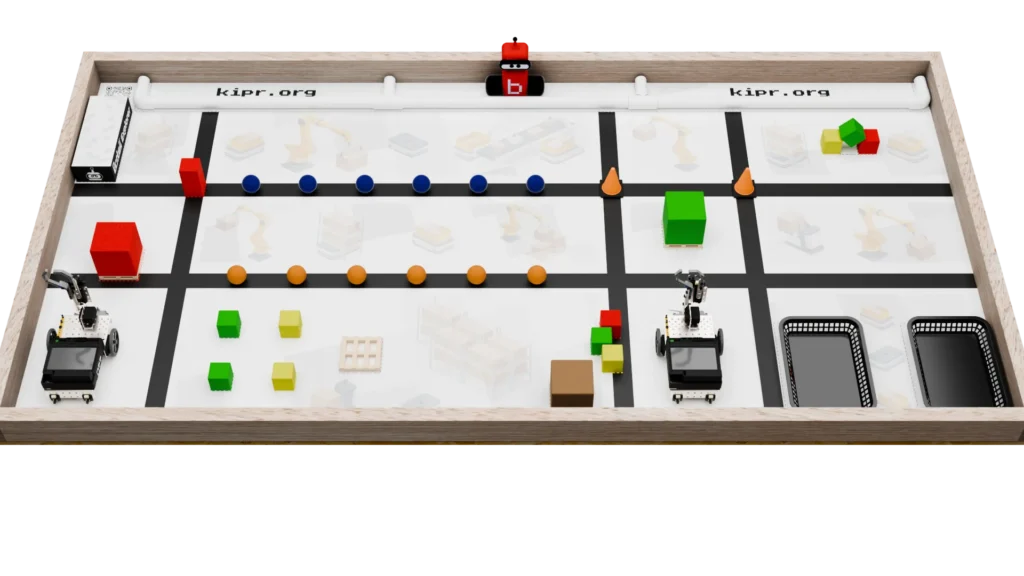
Preview the 2026-2027 Stack Attack Game
Botball Explorer Stack Attack game table
2026-2027 Game Stack Attack
Program at a Glance

Built for Students. Flexible for Educators.

Botball Explorer provides an approachable path into autonomous robotics while giving experienced students room to take on more advanced challenges.

Grade Levels Grades K–12

Age-based divisions support younger and older students.
Program Levels Two Divisions

Discovery for grade 6 and below; Expedition for grades 7–12.

Robot Format Fully Autonomous

No drivers or remote controls after a match begins.

Equipment Flexible Platforms

Use the KIPR Explorer Kit or another qualifying robot.

Designed for classrooms, after-school programs, clubs, and competitive robotics teams.

More Than Building a Robot

What Is Botball Explorer?

Botball Explorer turns robotics into a series of engaging, achievable missions that challenge students to transform their ideas into working autonomous solutions.

Students apply programming, engineering, and problem-solving skills as they design a robot, test their ideas, troubleshoot problems, and improve their solutions.

Teams can begin with the complete Botball Explorer Robot Kit or use another qualifying platform they already own. Two divisions provide an approachable starting point for younger students while giving older and more experienced students room to take on advanced challenges.

The robot does the work on its own. After a mission begins, there are no drivers or remote controls—only the students’ programming and engineering.

1 Design Plan the solution
2 Build Create the robot
4 Improve Refine the solution
3 Test Run the program
Explore
Again

Every mission encourages students to repeat the engineering process and improve their solution.

Preview the 2026-2027 Challenge

See What Students Will Build Toward.

Step inside Mission Control for a preview of Stack Attack, the 2026-2027 Botball Explorer game. Explore the competition field, review this season’s autonomous missions, and see samples of the curriculum and educator resources that support teams throughout the season.

  • Explore the official game table
  • Review autonomous missions and challenges
  • Preview curriculum and educator resources
Enter Mission Control Preview

This public preview includes selected game and curriculum materials. Registered teams receive complete access to season resources.

From Classroom to Competition

How Botball Explorer Works

Students move from choosing their challenge to completing autonomous missions in five approachable steps.

Pick Your Division

Choose Discovery or Expedition based on your students’ grade level and experience.

Choose Your Robot

Use the KIPR Explorer Kit or another qualifying autonomous robotics platform.

Build to the Rules

Design and configure your robot to meet the current program requirements.

Program for Autonomy

Write the code that allows the robot to sense, decide, and act on its own.

Complete the Missions

Put your solution to the test as the robot completes missions and earns points.

More Than a Robotics Competition

Why Botball Explorer?

Botball Explorer creates an environment where students can apply classroom concepts, work through meaningful challenges, and see their ideas come to life.

Build Future-Ready Skills

Students gain practical experience with the skills that drive modern technology while learning how to approach complex problems with confidence.

  • Programming and computational thinking
  • Engineering and systems design
  • Creative problem-solving

Learn Through the Engineering Process

Mission-based challenges give students a reason to test, troubleshoot, and improve instead of stopping with their first solution.

  • Brainstorm and plan
  • Build, program, and test
  • Evaluate results and improve

Create a Place for Every Student

Flexible divisions, equipment options, and team roles allow students with different interests and experience levels to make meaningful contributions.

  • Approachable and advanced divisions
  • Collaborative team roles
  • Multiple ways to solve every mission
Students Experience: Real-World Technology Collaborative Problem-Solving Flexible Robot Platforms